
Blog
Dental hygiene tips for healthy teeth & gums
Pros and Cons of Dental Sealants
Dental sealants usually sound simple when they’re first mentioned, at least on the surface. A thin layer. A short visit. Extra protection. Because it sounds that way, people expect the choice to be simple too. Either sealants make sense, or they don’t. Real decisions don’t usually work like that. There’s more pause, more doubt, and that’s where questions start forming quietly.
People usually end up looking into dental sealants’ pros and cons when something doesn’t quite add up for them. Not because they want a clear yes or no, but because they’re trying to work out if sealants actually change anything in real life. Sometimes they do, sometimes they don’t. A lot of it comes down to the specific tooth, what it’s dealing with, and what’s already happened there, not the general idea of sealants as a concept.
Why Sealants Are Even Considered
Back teeth aren’t smooth. Tooth grooves and pits aren’t always shallow. Some are deep enough to hold food and bacteria, even in mouths that are brushed well and appear healthy. That’s usually where cavities start showing up first.
Sealants exist to cover those areas. They don’t change the tooth. They don’t strengthen it. They simply block the spaces where decay likes to start. That simple purpose explains why sealants are often recommended for children, but also why adults sometimes hear about them too.
Understanding that goal helps put the teeth sealants’ pros and cons into a more realistic frame.
One Clear Advantage Is Extra Protection
Cavity prevention is one of the most noticeable advantages, and easily one of the main pros of dental sealants. They help reduce the chance that bacteria will collect in the deep grooves of a tooth and begin damaging enamel.
They don’t rely on perfect brushing. They don’t depend on habits improving overnight. They mostly just sit there and do what they’re meant to do, without much attention. For kids in particular, that matters during years when daily cleanings aren’t always consistent yet.
That quiet, background protection is a big reason sealants have stayed part of dentistry for so long.
The Process Is Simple And Low Stress
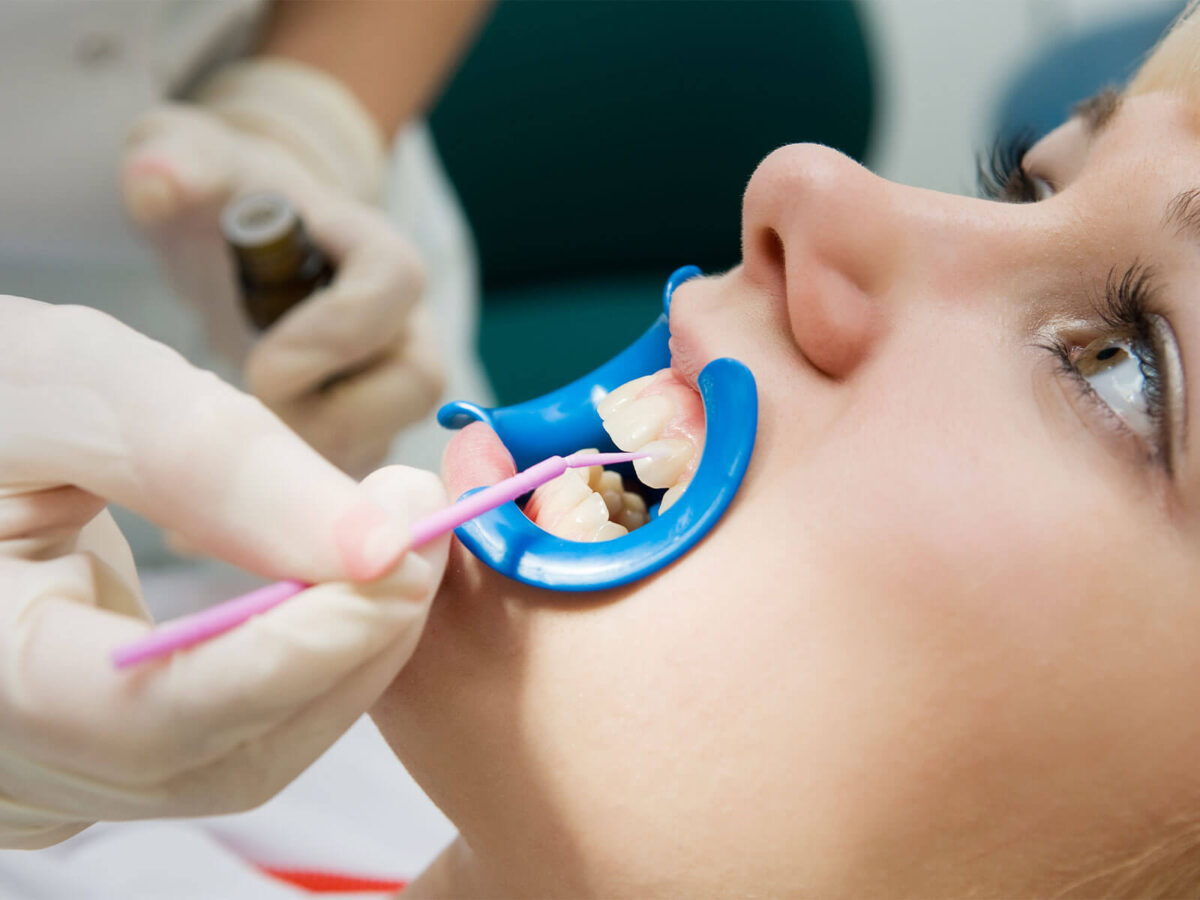
Another thing that often works in sealants’ favour is how simple the process usually is. There’s no drilling involved. No numbing. Nothing that requires removing tooth structure first. For many, just that can change the way the whole idea feels.
The tooth is cleaned and sealed. The material hardens pretty quickly, and then the appointment just moves on. There’s no long recovery, no lingering numbness, no soreness to deal with later. That simplicity ends up being a real part of the pros and cons of dental sealants conversation, especially for kids or anyone who feels anxious about dental procedures to begin with.
They Can Reduce Future Dental Work
Stopping one cavity doesn’t sound dramatic. It’s not exciting. But skipping a filling means keeping more natural enamel, and that’s not nothing. Preserving enamel often means fewer restorations over time.
Sealants don’t mean a tooth is set for life. Problems can still happen, just not always as often. They just tend to reduce how often issues show up, which can still make a difference over time. This long-term benefit is one of the quieter pros of sealants on teeth, but it’s often the most valuable.
Sealants Do Wear Down
Sealants aren’t permanent. That’s one of the main cons of dental sealants that people don’t always expect. Chewing slowly wears them down. Sometimes they chip. Sometimes they thin out.
This doesn’t mean they failed. It means they were exposed to daily use. Still, it does mean they need to be checked and occasionally repaired or replaced.
That maintenance requirement is part of the real dental sealants pros and cons balance.
They Only Protect Certain Areas
Sealants only cover the chewing surfaces. That’s it. They don’t protect between teeth. They don’t prevent gum disease. They don’t stop cavities from forming on smooth surfaces either.
That limitation matters more than people think. Sealants help, but they’re not complete protection. Daily cleanings still matter. Regular dental visits still matter too. When people expect sealants to do more than they can, this usually turns into one of the clearer cons of sealants on teeth.
Sealants Don’t Fix Existing Decay
Sealants prevent problems. They don’t treat them. If a cavity is already present, sealing over it isn’t appropriate.
Sometimes people assume sealants can “seal in” a problem and make it go away. That’s not how they work. They’re meant for healthy teeth that are at risk, not damaged teeth that need repair. This misunderstanding shows up often when people first look into the pros and cons of sealants.
Not Every Tooth Needs One
Some teeth benefit more from sealants than others. Molars with deep grooves are good candidates. Teeth with smoother surfaces don’t gain much from them.
Dentists don’t usually seal every tooth automatically. They choose based on shape, risk, and history. This selective approach is part of why the pros and cons of dental sealants aren’t the same for everyone.
Sealants Need Monitoring
Sealants aren’t something that gets placed and then ignored. Dentists look at them during regular visits to see if they’re still holding up the way they should.
If one wears down, the fix is usually fast and simple. No big procedure. There is some follow-up involved. That extra step comes with the commitment. For some, that ongoing maintenance counts among the cons of sealants on teeth.
It’s Not Just For Kids, Adults Can Benefit As Well
Most people first hear about sealants when talking about kids. That’s where the link begins. Deep grooves show up often. Brushing habits are still forming. The connection stems from there.
That doesn’t mean sealants only matter at one age. Adults with deep grooves or past cavities can still benefit. Age by itself isn’t the deciding factor. Risk is. That’s why the dental sealants pros and cons conversation keeps ending up back at the individual tooth instead of a simple answer.
Cost Is Modest, But Still Considered
Sealants usually cost less than fillings, and that’s often mentioned early, but it doesn’t automatically settle anything. Insurance coverage can vary for adults. Cost hits people differently. It can be small and still hard to fully ignore.
Some people see sealants as a small safety measure. For others, there’s no real rush if nothing feels wrong. The decision usually has less to do with the exact cost and more to do with timing and how comfortable the choice feels.
Why Sealants Aren’t Always Chosen
Some people have low cavity risk. Others have teeth that don’t trap food easily. In those cases, sealants may offer limited benefit. This is why sealants aren’t universal. They’re useful in the right situation and unnecessary in others.
Final Thoughts
When it comes down to it, the dental sealants’ pros and cons aren’t really about labelling sealants as good or bad. They’re about whether they make sense in a particular situation.
Some teeth benefit from that extra layer, and the reduction in risk happens quietly over time. Other teeth don’t gain much from it.
When you see both sides, the decision often feels calmer, not rushed.
Feeling unsure about sealants happens a lot. The topic often comes up during a regular checkup. A quick discussion about the pros and cons of dental sealants based on real risk can help you feel more certain.

