
Blog
Dental hygiene tips for healthy teeth & gums
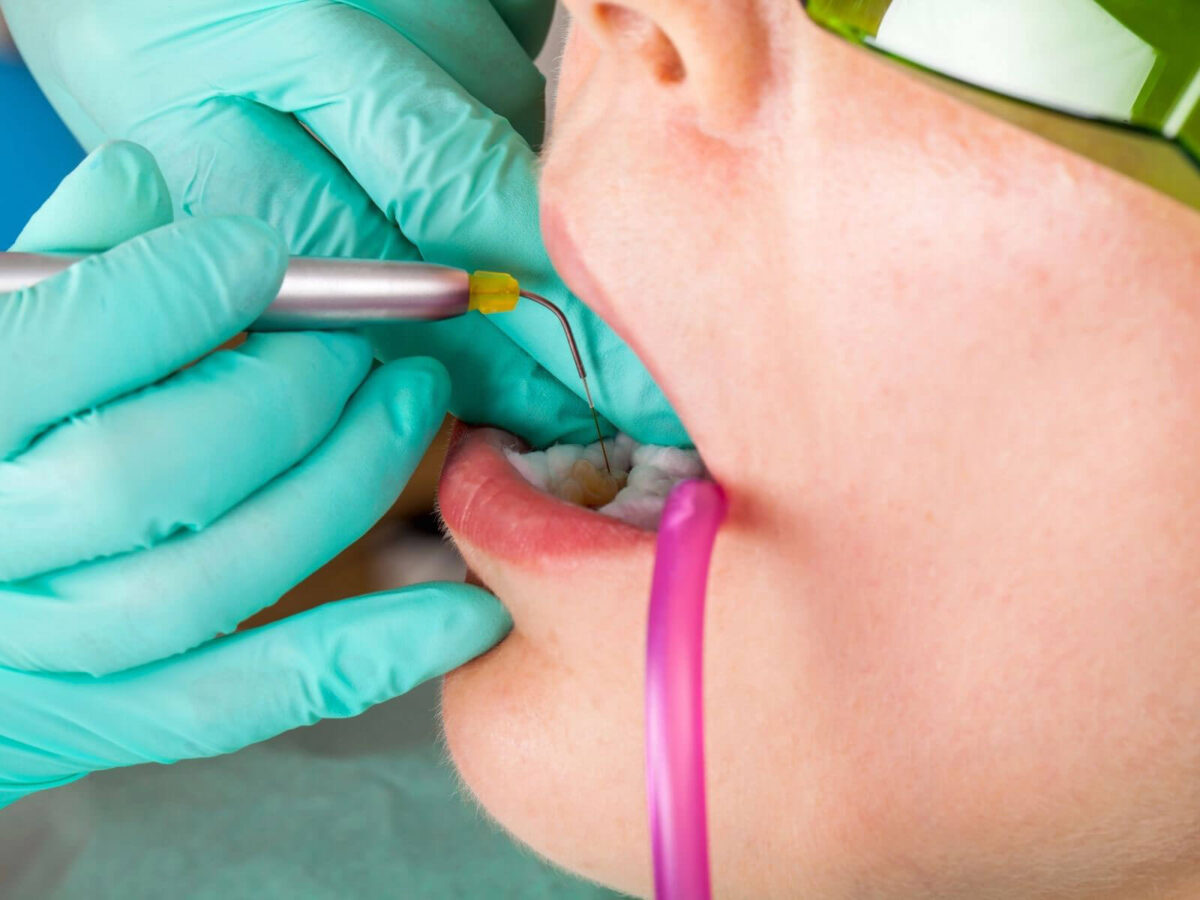
Laser Dentistry: Benefits, Uses & How It Works?
Some parts of dental care have stayed the same for many years. A small instrument touching the tooth. A soft vibration from a familiar tool. Yet, in recent times, light has found its way into treatments, moving quietly across the mouth in a way that feels almost weightless. When people hear about this shift, the thought of what is laser dentistry drifts into mind, not sharply, but gently, the way curiosity rises when something new enters a familiar space.
Light behaves differently from anything else used in dentistry. It carries no pressure. It leaves no mark of contact. It simply reaches an area with a steady glow, letting the mouth respond at its own pace. This soft difference becomes the earliest sense of the benefits of laser dentistry, not as a list of steps, but as a moment where technology feels calm rather than mechanical.
The presence of light changes the atmosphere of the procedure. It feels quiet. It feels controlled. It feels like a newer way of caring for places that once needed more physical intervention. And from this gentle introduction, people begin to understand why dentists explore this approach more often today.
How Light Moves Through Treatment Without Disturbing the Mouth
The laser does not push. It does not scrape. It does not take up space the way a tool might. Instead, it touches an area with a focused beam, sending energy that encourages the tissue to respond. Some settings allow the light to trim soft tissue. Others allow it to clean an area without physical contact. The mouth reacts differently depending on how the dentist guides the beam.
These small interactions shape the exact meaning of the benefits of laser dentistry. Many people notice a sense of ease, as if the procedure flows more smoothly than expected. The light does its work with accuracy, without ever feeling intrusive. Since it focuses only on the chosen spot, the rest of the tissue remains calm.
The patient may sense warmth or a soft feeling of movement, but rarely anything strong. The absence of vibration or pressure creates a gentler experience, allowing the dentist to focus on the delicate areas that require attention.
How the Gums React Gently to Laser Care
Gum tissue often reacts with tenderness during traditional procedures. Instruments touching the area may cause small pockets of irritation. Lasers shift this experience. When the beam arrives, it meets the tissue in a controlled way, making tiny, carefully guided changes.
The gums often respond by settling quickly. There is less swelling because the light seals small vessels as it moves. This gentle response reflects what is laser dentistry used for, most clearly seen in gum treatments. Some people feel only a subtle sensation afterwards, as if the tissue is adjusting gently to the change rather than recovering from deeper disturbance.
This interaction helps healing in a way that feels natural. The gums follow their own rhythm, guided by the soft influence of the laser.
How Lasers Help Clean Areas Beneath the Surface
Some issues sit under layers of tissue or deep in tight spaces that tools can’t easily reach. Lasers let the dentist work there without pushing anything into tender areas. The beam reaches the spot and clears bacteria or debris using light, not pressure.
Knowing how does laser dentistry work includes knowing these deeper movements. The light encourages the area to release what does not belong, leaving the tissue cleaner without harsh scraping. The dentist can see the result immediately, noting how the tissue responds as the beam moves.
This quiet cleaning supports the mouth in ways that feel smooth and controlled. It makes certain treatments less invasive, allowing the body to follow through with healing more comfortably.
How Cavities Are Seen Differently With Light
In some cases, lasers help with treating cavities. Instead of a tool that removes decay through pressure, the beam targets the weakened area with a steady glow, helping the dentist remove what is damaged while preserving the surrounding structure.
The light reaches only what needs attention. It respects the boundaries of the tooth, avoiding unnecessary removal. This careful approach echoes the softer side of what laser dentistry is, where precision supports comfort.
People often sense that the experience feels less abrupt. The tooth does not vibrate. The sound stays quiet. The dentist works with more control, adjusting the beam while observing how the tooth reacts moment by moment.
How Light Helps Whitening and Gum Care
In whitening treatments, lasers help activate certain gels more quickly, encouraging the surface of the tooth to brighten without extended chair time. The glow feels gentle, like warmth settling calmly on the enamel.
For soft-tissue adjustments, the beam helps shape or clean areas with careful accuracy. These treatments show more of what laser dentistry is used for, offering options that feel less intimidating than traditional methods.
Patients often notice how little discomfort lingers afterwards. The tissue feels soothed rather than irritated, and recovery seems to follow a slower, more peaceful rhythm.
How Lasers Improve the Dentist’s View During Care
Light reveals things differently. As the beam touches the area, it removes moisture or bacteria, creating a cleaner space and letting the dentist see what lies below. This clarity allows careful decisions in moments that require precision.
This small but meaningful advantage adds to the benefits of laser dentistry. It brings the dentist closer to the steps that shape treatment. With that clearer view, each step feels less chaotic and smoother.
Patients may not see this happening, but they notice it in the result. The procedure feels more refined, as if every movement followed a clearer understanding of what the mouth needed.
How Healing Feels After Laser Care
The absence of physical pressure encourages the tissue to heal in a calmer way. Without deep cuts or strong mechanical force, the body responds more gently. The area may feel tender, but not in a sharp or throbbing manner.
This response becomes part of the benefits of laser dentistry. The healing process carries a sense of softness, as though the tissue was asked rather than forced to change. Swelling often appears lighter. The mouth feels more settled as recovery unfolds.
Why More Dentists Turn to Lasers Today
Dentists are drawn to treatments that offer clarity, control, and comfort. Lasers provide all three. They allow the dentist to work in small spaces with confidence. They reduce physical strain on the tissue. They make the experience quieter and gentler for the patient.
Understanding what is laser dentistry becomes easier when you notice how the mouth reacts during and after treatment. The laser doesn’t replace every tool, but it supports many parts of care in a way that feels modern and easy to follow.
Dentists appreciate the control it gives. Patients appreciate the comfort it brings. And together, these elements explain why lasers have found a place in everyday dental care.
A Calm Path Toward Exploring Laser-Based Care
Anyone curious about this approach can begin with a quiet conversation. A dentist can explain how the beam might assist with gum care, cavity treatment, whitening, or deeper cleaning. The discussion often reveals how each mouth carries its own possibilities for gentle support.

