
Blog
Dental hygiene tips for healthy teeth & gums
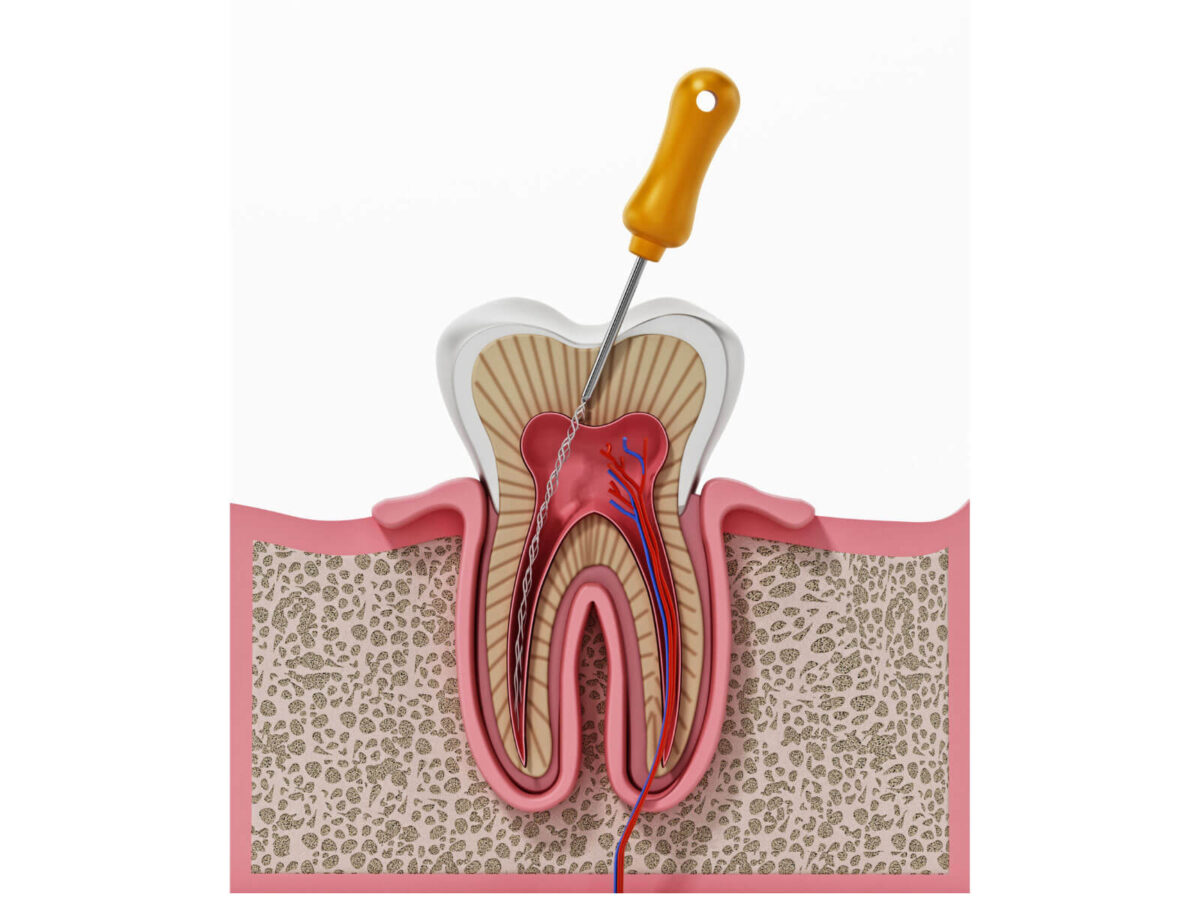
Root Canal Infection: Symptoms, Causes, and Treatment Options
When someone hears the words “root canal infection,” the first reaction is usually confusion. The tooth was already treated. The nerve was removed. The canals were cleaned and sealed. So how could there still be a problem? Yet every year, patients return to the dental chair saying something feels wrong. The tooth that once felt fine suddenly becomes tender. Pressure builds. Sometimes swelling appears without much warning.
That’s when the possibility of a root canal infection enters the conversation. It doesn’t mean the original treatment was careless. It means biology is complex, and sometimes bacteria find a way back in.
Why Would a Treated Tooth Get Infected Again?
A root canal involves taking out the infected pulp. The inside of the tooth is then closed off so bacteria can’t easily return. Success rates are high. The American Association of Endodontists reports that root canal treatments have a success rate of around 85–97%, depending on case complexity.
That still leaves a small percentage where healing doesn’t proceed as expected. There are several reasons this can happen. Sometimes there are tiny side canals inside the tooth that are hard to clean all the way. In other cases, a small crack develops later on and gives bacteria a way back in. Even a filling or crown can loosen slightly over time and create space for contamination.
In most cases, what someone calls a teeth root canal infection is actually bacteria finding their way back in or inflammation forming near the root. The tooth doesn’t have a living nerve anymore, yet the surrounding bone and gum tissue still do.
Symptoms That Something Isn’t Right
One of the most common complaints is simple: “My root canal is hurting.” That phrase — root canal is hurting — often signals that pressure is building at the root tip. The discomfort may not feel exactly like the original infection. It can be dull and persistent rather than sharp and sudden.
Common symptoms of root canal infection can include tenderness when you bite down, soreness that doesn’t fully go away, slight swelling near the gum, or even a small bump that comes and goes along the gumline. That bump is sometimes a drainage point, where the infection releases pressure from time to time.
Nothing looks off from the outside, though the discomfort keeps hanging on. Swelling or fever usually means things have progressed further, which isn’t that common. What throws people off is that reinfection pain isn’t always dramatic. It just stays there, steady and annoying.
Why Would Pain Show Up Again After So Long?
Many patients are surprised when a tooth that felt stable for years begins to ache. The explanation is rarely dramatic. Over time, dental restorations age. Tiny gaps can form between a crown and the tooth structure. Saliva and bacteria are persistent; even microscopic openings can allow contamination.
The National Institutes of Health has reported that coronal leakage plays a significant role in post-treatment problems. That term refers to bacteria entering from the upper part of the tooth.
In some cases, trauma plays a role. A blow to the mouth or even heavy grinding can create hairline cracks. Once bacteria gain access again, inflammation develops at the root tip. And that’s when the root canal infection becomes noticeable.
How Dentists Confirm the Diagnosis
If a treated tooth feels uncomfortable again, the dentist doesn’t simply assume what’s wrong. That’s when imaging comes into the picture. Pain by itself doesn’t explain much. With an X-ray, it becomes clearer whether the bone around the root tip is healthy or if a shadow suggests something isn’t right. Seeing that on the screen makes the discomfort make more sense.
When the regular images don’t explain everything, a 3D scan may help uncover the problems. The point isn’t simply to confirm a tooth root canal infection. It’s to determine why it happened, since the treatment approach depends on that cause.
Treatment Options When a Root Canal Fails
Once a root canal is done, you assume the issue is behind you. No one expects round two with the same tooth. If the tooth starts acting up again, it can be very annoying. But that doesn’t automatically put it past saving.
Often, the next step is simply another careful cleaning from the inside. The previous filling material is taken out, the canals are inspected again, and everything is sealed with more attention to detail. Teeth aren’t always as simple on the inside as they look.
There can be tiny spaces that are difficult to see the first time around. If bacteria managed to slip back in or a small area was missed, retreatment can often take care of the root canal infection.
There are cases where the irritation sits at the root tip instead. When that happens, a minor procedure may be suggested to remove the end of the root and seal it from below. It’s more precise than dramatic.
Extraction is considered only when the tooth has lost too much structure to remain stable. Even then, dentists generally try to preserve what’s natural whenever possible. Each case has its own factors, but many retreatments still have solid results.
What Happens If You Ignore It
It’s pretty common to wait it out if the discomfort comes and goes. If the symptoms of root canal infection ease for a while, most people assume it’s heading in the right direction. There are times when pressure drains slightly, and the tooth feels normal again. That short stretch of relief can give the wrong impression.
The infection underneath usually hasn’t gone anywhere. A root canal infection doesn’t tend to disappear on its own. It can sit at the tip of the root quietly, affecting the surrounding bone without making a big scene. No dramatic swelling. No severe pain. Just slow changes over time.
If it lingers long enough, more bone around the root can be affected. Dealing with it earlier is almost always simpler than waiting until it becomes harder to ignore. Pain isn’t the best measure of seriousness either. At times, the pain stays mild while the issue quietly continues beneath the surface. For that reason alone, it’s better not to ignore it, even if it feels manageable.
What To Do To Stop Future Problems
Treatment isn’t the final step. A restored tooth still depends on proper maintenance. The crown needs to fit well, and regular checkups give the dentist a chance to notice early leakage or structural concerns. Grinding should be managed with a night guard if necessary.
Reinfections don’t always mean something went wrong. Quite often, the issue comes from the tooth weakening or changing over time. Realizing that difference can make the situation feel less alarming.
FAQs
What can an infected root canal feel like?
Pain when biting is typical. Some swelling may develop near the gum. A lingering ache or small gum bump can also occur.
Why is my root canal hurting years later?
Possible reasons include crown leakage, new fractures, or infection around the root tip.
What if I just ignore it?
Doing nothing usually makes it worse.
Is retreatment painful?
The tooth is numbed first. Discomfort is generally similar to the initial treatment.
How successful is retreatment?
Success depends on the situation, but many cases respond well.
Conclusion
A root canal infection doesn’t mean the original treatment was pointless or poorly done. It means something changed. Bacteria re-entered. A crack developed. A seal failed. The important part is recognizing the signs early.
If that treated tooth starts feeling different again, don’t just hope it passes. Swelling that wasn’t there before is usually a sign it’s worth checking out. Most of the time, these things are much easier to handle when they’re caught early. Making the appointment sooner can save you from dealing with something bigger later.

