
Blog
Dental hygiene tips for healthy teeth & gums
How Long Does a Root Canal Take? Step-by-Step Timeline
As soon as a root canal comes up, the technical details kind of fade out. One question takes over: how long does a root canal take? Your body’s in the chair, but your mind is busy rearranging your schedule. Work things, home things, and random little tasks. Suddenly, your brain decides all of it is urgent.
That one question about time can really mess with your head. When you don’t know how long something will take, your brain kind of fills in the blanks on its own. Usually with the worst-case version. You start imagining being in that chair forever, even though that’s rarely how it actually goes.
But root canals themselves are very routine in dental offices. Dentists do them all the time. They aren’t rare situations or unusual procedures. The American Association of Endodontists shares that millions of these treatments take place every year. That kind of number shows how normal this procedure really is for dental specialists.
What Is Happening During The Tooth Root Canal Process?
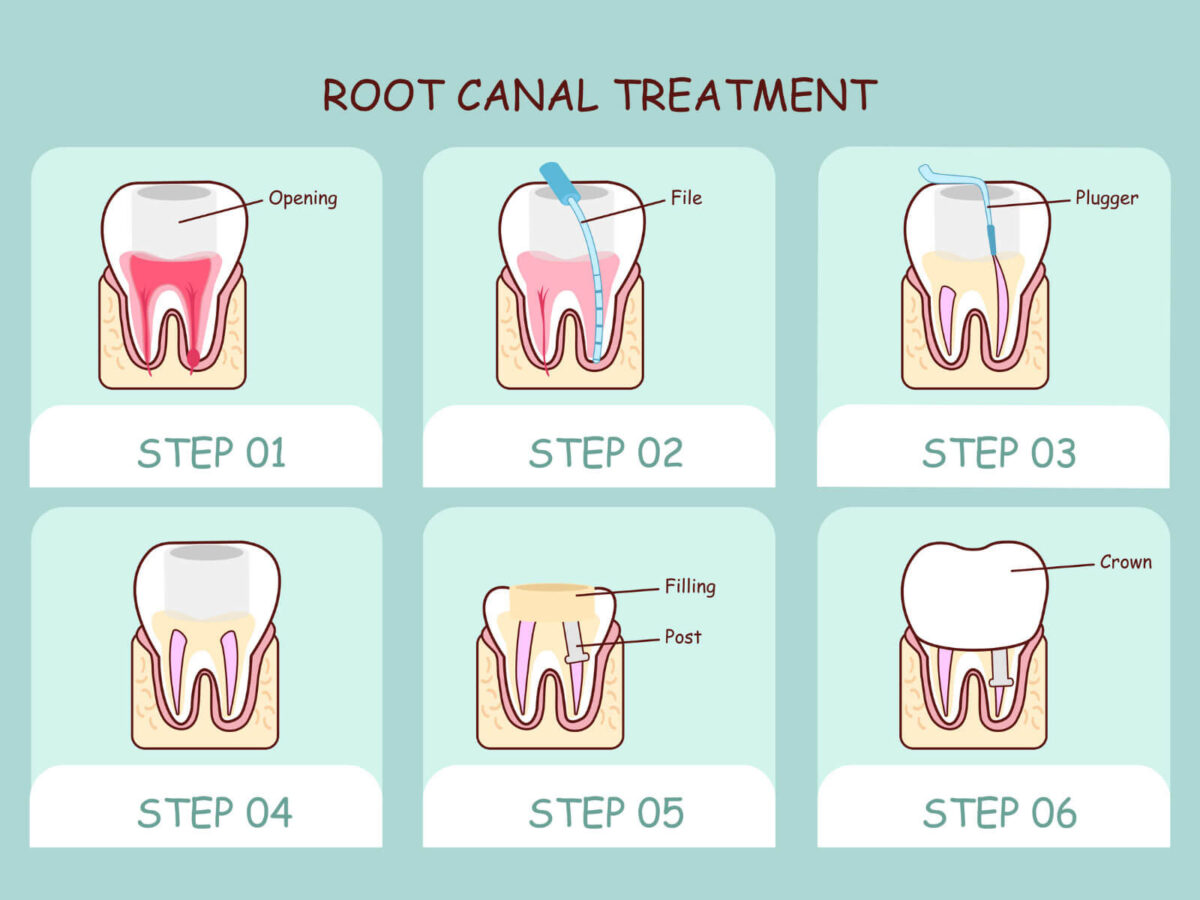
Your tooth actually has a soft center called the pulp. It holds the nerves and tiny blood vessels. When decay gets really deep, or a crack opens things up, bacteria can sneak into that space and cause an infection that keeps hurting. The tooth root canal process removes the infected pulp, cleans everything out inside, and seals the tooth so the problem doesn’t come back.
People sometimes think a root canal is just a temporary fix, as it buys you a little time, and that’s it. But when you look at long-term results, the picture is actually much better than most expect. There’s research that followed treated teeth over the years, not just months.
What’s The Usual Chair Time For A Root Canal Procedure?
People who wonder “how long does a root canal take” usually aren’t after exact numbers. They just want a ballpark figure. For many routine treatments, it comes out to about an hour. Sometimes it goes closer to ninety minutes. The difference mostly depends on the tooth and how tricky the inside canals are.
First, they make sure you’re numb and comfortable. That part matters. Once the tooth and the area around it are fully numb, they work inside the tooth. The infected tissue is taken out, and the small canals are cleaned and shaped so they can be sealed.
Front teeth often move along faster since they typically have only one canal. Back teeth can take more time because they often have several canals. Each one needs careful work. That’s what can stretch the visit a little.
Many patients end up saying the visit wasn’t nearly as bad as they expected. The anticipation beforehand often feels worse than the actual procedure.
Why Aren’t All Root Canal Visits The Same Length?
Some root canals are simple. Others take more time. A few canals are very narrow or curved, and that makes them harder to clean well. In those cases, the dentist slows down. Careful work matters here as it helps make sure the infection is fully removed. That extra attention can reduce the chance of the problem coming back later.
Researchers have also compared treatments done in one visit with those done over two visits. The results are reassuring. Both approaches can have similar long-term success. This means the length of your appointment usually depends on the condition of the tooth, not just the schedule.
What Should You Expect With Root Canal Pain?
Worries about root canal pain are very common. Many people are surprised by when discomfort actually happens. The dentist begins by using local anaesthesia to make sure the tooth and surrounding area are numb. Sharp pain should not be part of the visit.
Some tenderness after treatment is expected for a short time. Reports from recovery studies show most people notice discomfort reducing within one or two days as healing moves forward.
Many patients also share something interesting. The deep, throbbing pain they had before the root canal often felt worse than the soreness afterwards. Dentists see this pattern often in their practice.
Will A Root Canal Hold Up Well In The Long Run?
A lot of people hear “root canal” and immediately wonder if it’s really worth it. Totally normal. Dental work can feel like a lot, so your brain starts searching for a simpler option.
Keeping your natural tooth also helps in everyday ways. You chew more comfortably. Your other teeth stay in better alignment. In the long run, that can mean fewer dental problems to deal with.
Will Everything Be Finished In One Visit?
In many cases, yes. The tooth root canal process is commonly done in one appointment. That visit typically lasts between one and ninety minutes. Afterwards, you’ll return for a crown or another permanent restoration. That part helps protect the tooth from breaking later.
More complicated teeth may need two visits instead of one. The extra time allows for more cleaning or medication before the final seal. Even so, the appointments are usually similar in length. It doesn’t suddenly become a day-long procedure.
FAQs
Do back teeth take more time to treat?
Yes. Back teeth often take longer to treat. They usually have more canals to clean.
Is soreness after treatment normal?
Some mild soreness is normal. It’s part of recovery and tends to improve within a few days.
Can I return to work after my visit?
Most people do. When the numbness wears off, daily activities are generally okay.
Does root canal treatment stop the pain immediately?
The severe pain from infection often starts to fade soon after treatment. Some sensitivity from the procedure can linger briefly.
Conclusion
For many people, the worry comes from uncertainty more than anything else. How long does a root canal take is a major piece of that. When people find out how long a root canal takes, it often sounds much more doable than they imagined. Most visits are pretty manageable. The tooth root canal process is there to get rid of infection, reduce the pain you’ve been feeling, and help you keep your own tooth instead of losing it.
Delaying treatment because you’re nervous or busy is something many people admit to. Life gets in the way. But sitting down and talking through your situation with your dentist can make things feel a lot less stressful. You get clarity. You get a plan. And when you take care of the issue earlier, healing is usually smoother, and future dental problems are less likely to show up.

