
Blog
Dental hygiene tips for healthy teeth & gums
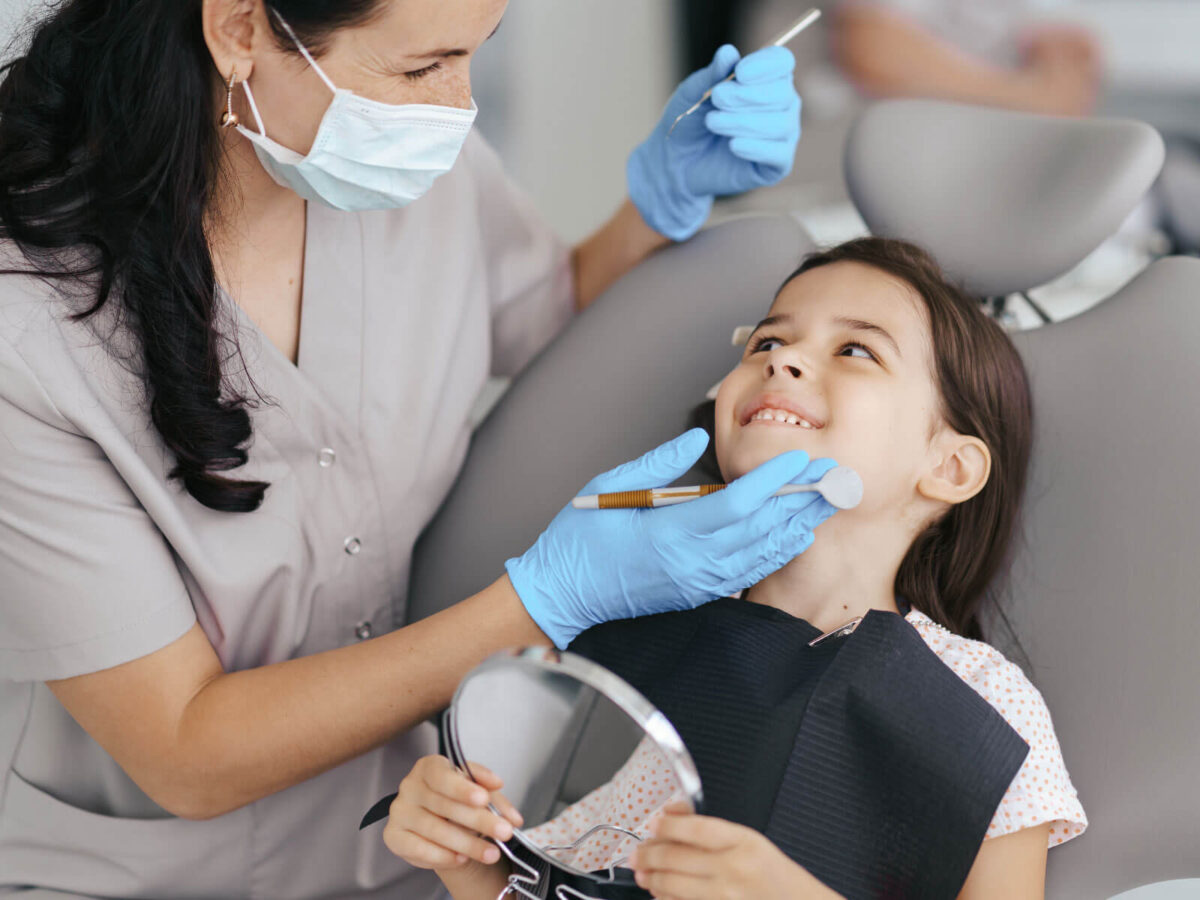
Dental Sealants for Kids: Benefits and Safety Explained
Some parents feel unsure when a dentist mentions sealants. Their child brushes every day. Sometimes, even floss. Everything seems fine at home. Then a routine checkup happens, and the dentist brings up sealants. That moment often leads to a simple question. What are sealants? And do kids really need them?
The idea behind dental sealants for kids is actually pretty simple. They protect the back teeth, especially the molars, from cavities that tend to start in places a toothbrush cannot easily reach. Most cavities in children begin in the chewing surfaces of those teeth. The grooves are deep, and food gets stuck there. Bacteria settle in quietly. Over time, decay begins.
According to the Centers for Disease Control and Prevention, children without sealants develop almost three times more cavities in their molars compared with children who have them.
That statistic alone explains why dentists bring up sealants so often.
Why Back Teeth Need Extra Protection
Molars look strong. They are wide and thick and built for chewing. Still, the chewing surface is not smooth. Look closely at a molar, and you will see narrow lines and tiny pits running across it. Those grooves help grind food during meals. Unfortunately, they also collect food particles.
Even a careful brushing routine cannot always clean the deepest parts of those grooves. Children especially struggle with that. Their brushing technique is still developing. Some spots simply get missed.
That is where dental sealants for kids can help. They cover those grooves before bacteria settle there.
What Dental Sealants Actually Are
Some parents imagine sealants as something thick or heavy placed on the tooth. In reality, they are very thin. A sealant is a thin layer made from dental resin. At first, the material is liquid. This helps it flow into the small grooves on the molar. After a short time, it hardens. Once it sets, it creates a smooth surface over the chewing area.
Food particles have fewer places to hide. Brushing becomes more effective. Plaque buildup slows down. Those simple changes are what create many of the benefits of dental sealants for kids.
The Age When Dentists Usually Recommend Sealants
Most children develop their first permanent molars around age six. Dentists sometimes call these “six-year molars.” Another set appears around age twelve. These teeth arrive with deep grooves and no protection yet. Because they are brand new, they have not developed cavities. That moment is ideal for sealants.
Molars usually appear during childhood. That is when dentists often suggest dental sealants for kids. These teeth can be hard to clean. Sugary snacks and rushed cleaning are also there.
The American Dental Association has shared information about sealants. They work best when placed on new molars, before cavities start.
What Happens During the Sealant Appointment
Some parents wonder if the process is complicated. It is actually really simple. The dentist first cleans the tooth. This removes plaque and small food bits from the surface. Then a special gel is placed on the tooth for a moment. The gel helps prepare the surface. Then it is rinsed away.
Next comes the sealant itself. The dentist paints the liquid into the grooves of the tooth. A small light is used to harden the material. Within a few seconds, it becomes solid. The visit usually moves quickly. Often just a few minutes for each tooth. There is no drilling. No injections. That is one reason many dentists suggest dental sealants for kids.
Why Dentists Use Sealants
Cavities begin when bacteria feed on sugars left on teeth. As they do, acids are produced that slowly weaken enamel.
Back teeth make this easier. Molars have tiny grooves across the chewing surface. Food can sit there. Bristles do not always reach those spots. Sealants change that surface. The grooves are covered. The tooth becomes smoother.
Food has fewer places to stay. That simple change explains many benefits of dental sealants for kids. Teeth become easier to clean.
Are Dental Sealants Safe
Many parents ask about safety first. That is natural. Anything placed on a child’s teeth deserves careful consideration. Dental sealants have been used for decades. They have also been studied extensively.
Major health organizations, including the American Dental Association and the Centers for Disease Control, support sealants as a safe preventive treatment. The material used is similar to the resin found in many tooth-colored fillings. This type of material has been used in dentistry for many years. Dentists are very familiar with it. When parents learn about that long track record, safety worries usually fade.
How Long Sealants Usually Last
Sealants do not last forever. Still, many stay on the tooth for several years. Dentists take a look at them during regular visits. When the sealant stays in place, the tooth still has protection. It sits over the grooves and helps block food from settling there. Sometimes the layer wears down a little. That happens. When it does, the dentist can place another thin coat. The visit is usually quick. Regular checkups help dental sealants for kids keep protecting molars as children grow.
Why Children Benefit the Most
Cavity prevention can be harder for children. Brushing skills are still improving. Even with help, some spots are easy to miss. Snacks are also common during childhood. Many children enjoy fruit snacks and sweet treats. After eating them, some sugar can stay on the teeth.
Back teeth make this easier for bacteria. Molars have deep grooves where food can settle. That is why the benefits of dental sealants for kids become easier to see during the school years.
Sealants Do Not Replace Brushing
Molars can benefit from sealants. Still, brushing every day remains important. Morning and evening brushing are common habits.
Flossing also plays a role. Sealants only cover the chewing surface of molars. The sides of the teeth are still exposed. The spaces between teeth need cleaning too.
That is why daily habits still matter. Sealants simply add another layer of protection. When brushing is combined with dental sealants for kids, the teeth usually receive better protection than brushing alone.
FAQs
Do dental sealants hurt
No. Placing dental sealants for kids is painless. The dentist simply cleans the tooth and applies the sealant material.
For how many years do sealants stay put
Sealants usually last many years. Dentists check them during routine visits and fix them if needed.
Can adults get sealants too
Yes, though they are most commonly recommended for children. It is because newly erupted molars are more vulnerable.
Are sealants really necessary if kids brush well?
Brushing helps a lot. Still, deep grooves in molars can remain difficult to clean. Sealants protect those difficult areas.
Conclusion
Cavities often start in spots that are hard to clean. The chewing surfaces of molars are one example. Those teeth have small grooves where food can get trapped.
That is where dental sealants for kids can help. The sealant covers those grooves so food and bacteria have fewer places to stay. This added layer can help protect molars during childhood.
The benefits of dental sealants for kids become even stronger when they are combined with brushing and routine checkups. The coating is placed quickly and may help protect molars for many years.
When children get new molars, parents often mention it at the next visit. They may ask about dental sealants for kids. The dentist can check the teeth and look at the deep pits. A quick discussion can help decide if sealants would help protect them.

