
Blog
Dental hygiene tips for healthy teeth & gums
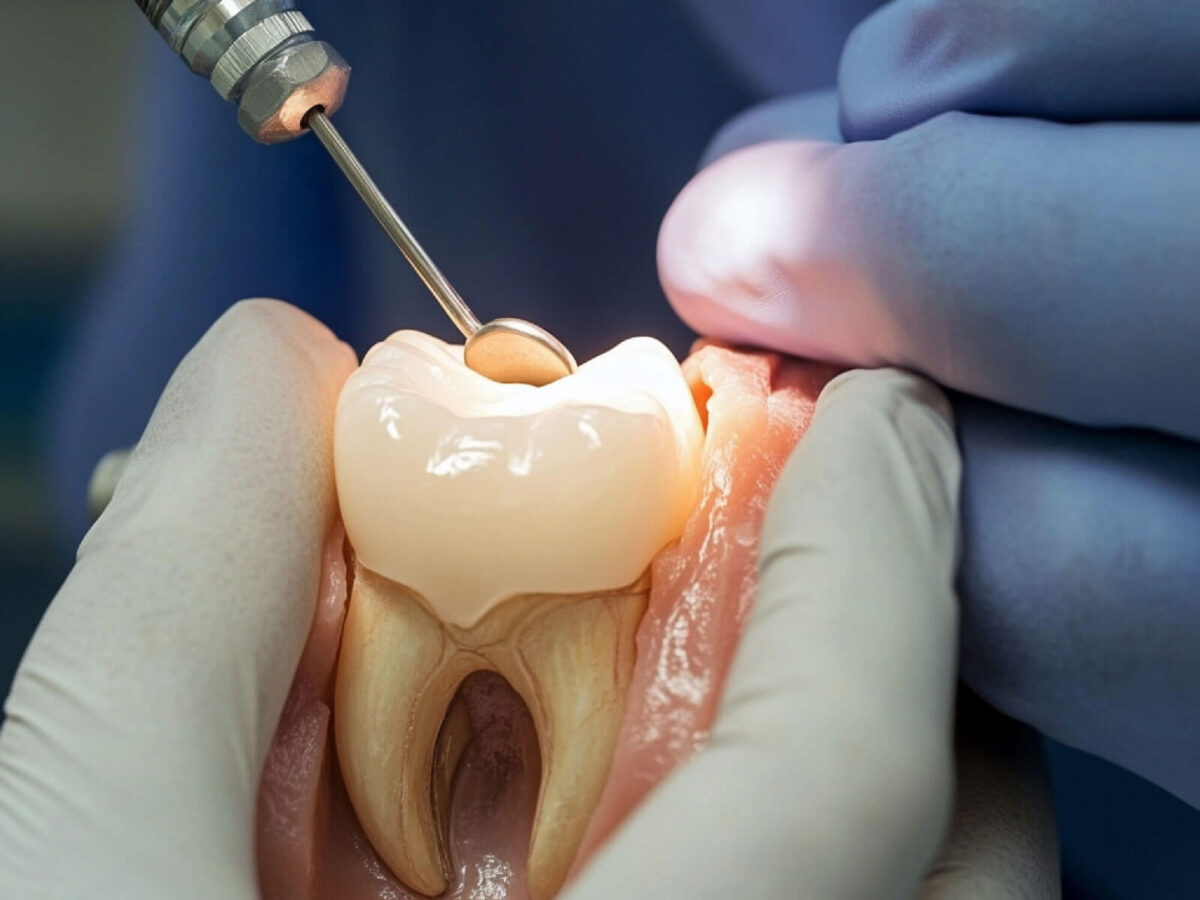
Emergency Root Canal: Symptoms and What to Expect
What An Emergency Root Canal Means
Dental pain can be unpredictable. It doesn’t always give a warning. It can begin in the middle of the night. Sometimes, even while you’re eating something soft. When the pain starts to feel constant or too strong, dentists may suggest an emergency root canal. This isn’t just a regular appointment moved sooner. It usually means the issue needs quick care.
The reason is often infection. Bacteria reach inside the tooth and affect the pulp. That area becomes inflamed, and pressure begins to build in a space that can’t expand. As shared by the American Association of Endodontists, root canal treatments are fairly common. They’re usually done to manage severe pain and control how far the infection spreads.
Why A Root Canal Can Become An Emergency
Not every root canal situation turns urgent right away. Some infections take their time and build slowly. Others don’t follow that pattern and seem to get worse much quicker than expected.
An emergency root canal treatment is usually considered when the symptoms start getting harder to deal with. Pain that doesn’t settle is often one of the first signs. Swelling around the face or jaw can show up too, sometimes gradually.
Sometimes the tooth reacts more than expected. Even normal-temperature water can cause discomfort. In a few cases, there may be a bad taste or drainage near the gums.
All of this can point to an active infection. And at that stage, waiting too long can make things spread further.
What Symptoms Usually Signal An Emergency
The body usually gives some kind of signal when something isn’t right. With dental infections, those signals can feel quite noticeable, sometimes stronger than expected.
One of the more common signs is constant pain. It can feel deep, sometimes like a steady throbbing. If it starts waking you up at night, it’s usually not something minor.
There can be some swelling as well. The gums may not look the same, maybe a bit puffy. In some cases, it moves outward toward the cheek or jaw. Heat sensitivity is another thing people notice. The pain can stay even after the heat is gone. That usually doesn’t feel normal. When it gets to this point, an emergency root canal may be needed.
What To Expect During The Emergency Visit
It usually begins with an evaluation, nothing too complicated. First, the dentist just listens. Goes over the pain, when it began, and what seems to trigger it. It may seem simple, but it helps guide things.
Then the focus shifts to the tooth itself. It’s examined closely.
Sometimes a light tap or gentle pressure can bring out sensitivity. X-rays are often taken as well, just to see what’s happening underneath.
Once the diagnosis is clear, emergency root canal treatment may be carried out. The area is numbed, so the procedure feels manageable.
The infected pulp is then removed. The canals are cleaned step by step. This helps release pressure and clear out bacteria. In many cases, patients notice some relief fairly soon after.
Why Pain Relief Often Feels Immediate
The pain from an infected tooth often comes down to pressure. The pulp inside becomes inflamed, and because that space is closed off, the pressure doesn’t have anywhere to go. It builds, sometimes faster than expected.
During an emergency root canal, that pressure is relieved. The dentist takes out the infected tissue from inside the tooth. The canals are then cleaned and shaped carefully, step by step.
That’s usually why patients start to feel some relief not long after the procedure begins. The main source of the pressure is no longer there.
Even then, it doesn’t always feel perfect right away. Some soreness can stay for a few days. It tends to ease as the surrounding area settles.
What Things Are Like After The Emergency Visit
At first, the focus is on removing the infection and settling the pain. That’s usually the main goal. In some cases, the tooth is sealed for the time being. After that, a follow-up visit is needed. The dentist completes the root canal during that visit and may place a crown as well.
The crown helps protect the tooth. It gives the tooth some strength again, which helps when chewing. Without it, it can become weaker as time goes on. Recovery is generally quick. Most people are back to their routine in a day or two.
Why Waiting Can Make Things Worse
It’s pretty common to hope the pain will just settle on its own. Sometimes it even feels like it does for a bit. But that doesn’t really mean the issue is gone. It can still be there, just quieter for a while.
If it’s left like that, the infection can spread. It’s not always just the tooth. It can spread to the areas around it, including the bone, and that’s when the discomfort tends to increase. Swelling can increase as well.
Getting it checked earlier usually helps avoid all that. An emergency root canal treatment deals with the infection before it has a chance to move further.
How To Lower The Risk Of Future Problems
The most common ways to prevent dental emergencies are nothing more than mere routine practices. Nothing too complicated. Just the basics, done regularly. Cleaning every day helps keep plaque from building up.
Seeing the dentist regularly also makes a difference. They provide dentists with an opportunity to spot minor problems at the earliest stages, even before you get to experience anything. A shallow hole is far simpler to handle than a deep decay. This applies to the small cracks; they can be identified before bacteria access the inner section of the tooth.
It also helps to be careful with your teeth. Hard foods and small impacts can cause damage. Not always obvious right away, but it builds over time.
It might not seem important in the beginning. But give it time, it adds up. And it can help you avoid an emergency root canal.
FAQs
What is an emergency root canal?
It’s a treatment done when the pain gets too much to ignore. The goal is to remove the infection from inside the tooth and ease that pressure.
When is it usually needed?
It is considered when the pain keeps coming back or just doesn’t settle. Sometimes there’s swelling. Or sensitivity that feels off.
Is the procedure painful?
Most people expect pain, but the area is numbed first. During the procedure, it’s usually manageable. In fact, many feel some relief once it begins.
What about recovery?
Most people feel okay again in a couple of days. There can be some soreness at first. It settles with time.
Conclusion
Dental pain can be unpredictable. It doesn’t always build slowly. At times, it starts small, something you barely notice, and then becomes much more intense over a short period. That shift can feel sudden.
That’s why having a rough idea of when an emergency root canal might be needed helps. It’s not always obvious in the beginning. People hesitate. Sometimes they wait it out, especially when the pain eases for a bit.
If it’s handled earlier, it usually feels easier to deal with. The pain doesn’t build the same way, and it doesn’t spread as much. Things just stay a bit more under control than they would otherwise.
Once the pain feels stronger or swelling begins, it’s better to get it checked. Getting it checked sooner can make things easier. A dentist can take a look and see if emergency root canal treatment is needed.

