
Blog
Dental hygiene tips for healthy teeth & gums
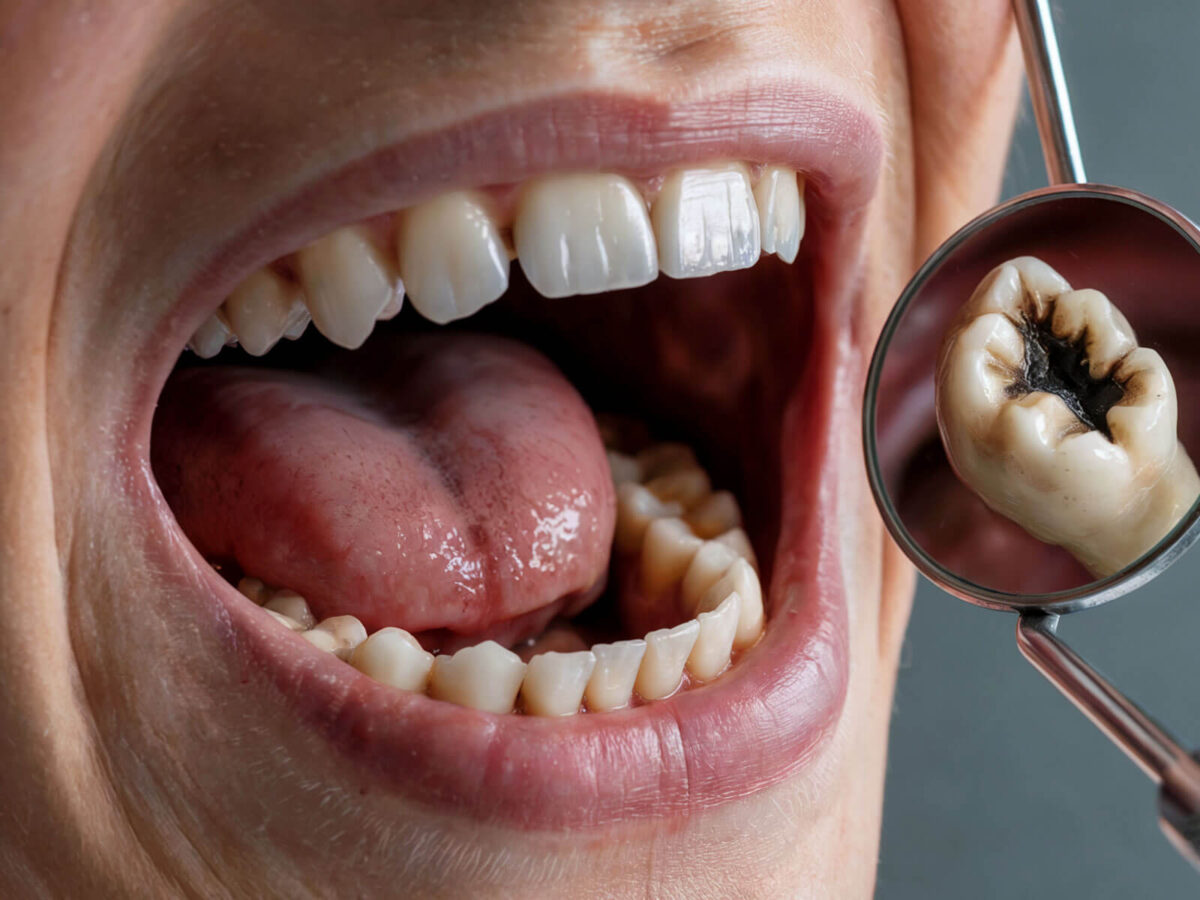
Does Getting a Cavity Filling Hurt? What to Expect
You’ve rescheduled this appointment twice already. Every time, it comes back to the same question sitting under all the excuses: how bad does a cavity filling actually hurt?
I hear this from patients constantly, usually in the last few seconds before they sit down in the chair. And almost every single one of them leaves surprised at how little there actually was to brace for.
It depends on which part you’re picturing. The needle going in. The drill running. The morning after, numbness gone, wondering if what you’re feeling is normal. Three different moments, three different answers, and lumping them into one vague dread is where most of the fear actually comes from.
TL;DR
- Once you’re numb, the actual work shouldn’t hurt. Where discomfort shows up is the needle going in and the day or two after.
- Numbness sets in within a couple of minutes and can linger for a few hours even after you’ve left the chair.
- Some cold or pressure sensitivity afterward is normal, usually gone within a week or two.
- Sharp pain, pain that’s getting worse, or anything still bothering you three weeks out isn’t typical. Call your dentist if that’s where you are.
What Really Happens When You Get a Cavity Filled
It’s simpler than most people expect – numb the tooth, clear out the decay, fill the hole. Cleveland Clinic lays out the same three steps, with a bit more detail – numbing first, then removing the damaged tissue, packing in the filling material, and checking your bite before you’re sent on your way. Composite fillings add one extra step – a curing light to harden everything in place.
None of it takes long. A small cavity is usually done in twenty minutes. Even a larger one rarely runs past the hour mark, and that includes the time you spend just sitting in the waiting room.
How Does Numbing for a Cavity Filling Work
Numbing for a cavity filling starts before you’d guess. A gel goes on the gum first, so the needle itself barely registers by the time it arrives.
The injection reaches the nerve feeding that tooth. Within a couple of minutes, the area goes properly numb, not tingly numb. You’ll feel pressure and vibration through the visit. Not sharp pain.
I tell nervous patients the same line every time. The anesthetic’s already doing its job long before the drill touches anything, which is really the heart of how bad a cavity filling ends up hurting – almost none of it, once you’re numb.
Does the Type of Filling Change How Much It Hurts
Not really, not during the procedure. Amalgam and composite both go in after the same numbing step, so the in-chair sensation barely differs between them.
Where they split is afterward. Composite gets bonded into place with an etching and adhesive step, and that bonding tends to leave slightly more short-term sensitivity than amalgam, which just gets packed into the cavity and holds by compression rather than chemically fusing to the tooth.
Neither one is the painful choice. The gap is small enough that most dentists pick based on the cavity’s size and location, not how it’ll feel walking out.
How Bad Does a Cavity Filling Hurt While You’re in the Chair
Here’s where how bad does a cavity filling hurt gets its real answer. Numb, and the procedure sits closer to uncomfortable than painful.
Sound and pressure are what you’ll actually notice. The drill’s whine bothers people more than anything it produces. Vibration through the jaw feels strange without ever crossing into pain.
Deep cavities near the nerve sometimes bring a brief twinge even with anesthetic on board. Say something if that happens. A second shot fixes it in under a minute.
Nervous About Your Upcoming Filling?
Talk it through with a dentist before the appointment, not during it.
Why Does the Injection Feel Like the Worst Part
Gum tissue near the injection site is dense with nerve endings, more sensitive than most of the mouth, so even a quick needle registers strongly for a second. That’s the physical part.
The bigger part is what’s happening before the needle even shows up. Anticipation itself amplifies pain. Your brain’s been bracing for this moment the whole time you sat waiting, and that bracing makes the actual sensation feel sharper than it really is.
A study of over 1,700 patients in Saudi Arabia found fear of pain and fear of anesthetic needles were the two biggest drivers of dental anxiety, reported by well over a third of respondents, and the needle specifically was the single most-named trigger.
Once it’s over, the anesthetic’s already working. Everything after that point is quieter than the moment people spent weeks dreading.
What Causes Filling Pain After Procedure
Filling pain after procedure shows up once the numbness fades, and the explanation is fairly ordinary. That tooth was just drilled into. The nerve underneath needs a beat to settle.
Cold air, sweet food, biting pressure. These are the usual triggers in that window, and none of them signal anything went wrong.
Deeper fillings, ones placed close to the nerve, tend to bring more noticeable soreness than a shallow one ever would. It’s just depth, not a sign anything was done wrong.
How Long Should Filling Pain After Procedure Last
Most sensitivity fades within a few days. Deeper fillings can take one to two weeks before the tooth stops reacting to temperature at all.
Gums might stay tender for a day too, separate from the tooth itself. The injection site needs its own short recovery, small as it is.
Past two to three weeks, sharp or worsening pain isn’t the normal pattern anymore. That’s the point to check back in rather than wait it out further.
What If Numbing Doesn’t Fully Work
Lower molars cause this most often. The nerve there is buried under thick, dense bone, so the numbing agent has real work to do just getting there.
Don’t try to power through it. Mention it as soon as you feel anything. A second injection or a different technique nearly always finishes the job within minutes.
Some people just clear anesthetic faster than average, so it fades or never fully sets in before the drilling’s done. Nothing to do with how the tooth’s holding up, just faster metabolism working against the timing.
When’s Pain Bad Enough to Call Your Dentist
Normal soreness eases up a little every day. If yours is doing the opposite, getting louder, throbbing out of nowhere, pulling you out of sleep, that’s not healing anymore. That’s a problem.
I always ask patients one specific thing too: does a tooth land before the rest do when you bite down? If so, that’s your bite, not your nerve, and it takes five minutes to fix.
Weeks of filling pain after the procedure rarely just disappear on their own. I’d rather see someone sooner than have them wait it out and hope.
FAQ
Cavity filling or cleaning – which one hurts more?
Not usually, and often it flips the other way. Gum tissue that’s already tender can react more to a cleaning than a numbed tooth ever does during a filling.
Will I feel the drill at all?
Yes, but as vibration and pressure. Once you’re numb, that’s really all there is to feel.
My tooth hurts when I bite down – is it normal?
Some pressure sensitivity for a few days is fine. Sharp pain when you bite down is different, and it usually just means the filling needs to be shaved down a little.
My cheek’s still numb – is that normal?
Give it one to three hours typically. Where the injection was placed and which anesthetic your dentist used can stretch that out a bit longer.
Conclusion
Split the appointment into its actual parts, and how bad a cavity filling hurts, stops sounding so uncertain. The needle is over in a second. What follows is mostly noise and pressure, not pain. Even the days after just bring ordinary sensitivity, nothing sharper than that.
I’ve watched enough nervous patients walk out surprised to know the fear rarely matches the reality. Something feels off past that window? A quick call settles it faster than waiting does. Most fixes, when they’re needed at all, take minutes in the chair.
Ready to Get That Cavity Sorted?
Book a filling appointment and know what to expect going in.

