
Blog
Dental hygiene tips for healthy teeth & gums
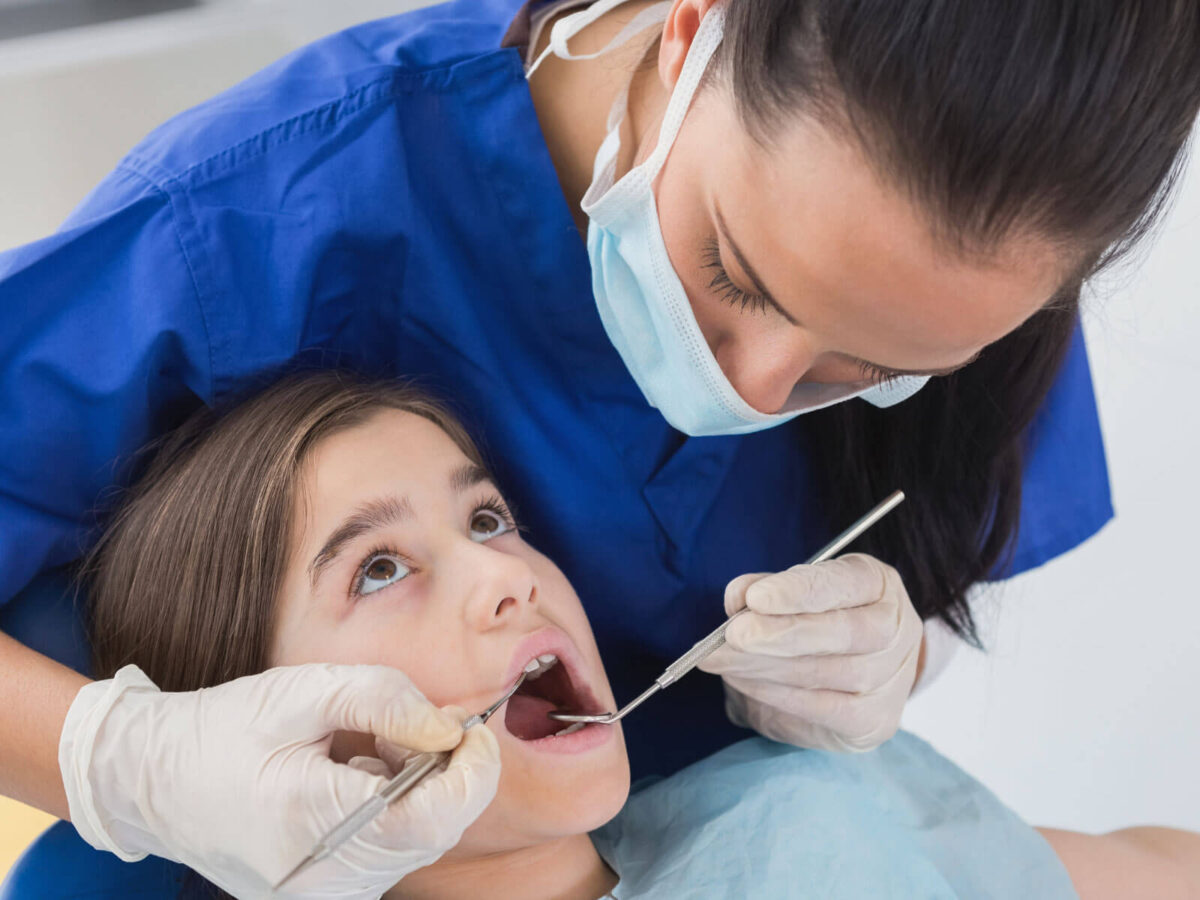
What Is a Pediatric Dentist? Role, Training, and When to Visit
My neighbor waited until her son was four before his first dental visit. By then, he had three cavities. Her dentist told her the first visit should have happened around his first birthday. She had no idea. Most parents don’t. Knowing what a pediatric dentist is and when to actually show up is the part nobody really explains.
What Is a Pediatric Dentist, Really
A pediatrician and a GP can both see a child. The difference is that one spent years specifically learning how children develop, what frightens them, and how to actually get them to cooperate. Pediatric dentists go through the same kind of specialization, just for teeth.
Four years of dental school happen first, same as any other dentist.
Then, two to three years of residency focused entirely on children. I had no idea the residency went that far until I read what the AAPD actually outlines. Child psychology, behavior management, sedation, trauma care. It’s a long way from what most people picture when they think “children’s dentist.”
What Does That Extra Training Actually Cover
Most people picture a brightly colored waiting room and a dentist who’s good with kids. The actual training goes much further than that. Residents rotate through emergency departments, anesthesiology wards, and craniofacial clinics, and learn to treat children whose medical conditions make a routine cleaning genuinely complicated.
Penn Dental Medicine’s pediatric residency includes rotations through spina bifida clinics and craniofacial surgery. I hadn’t expected pediatric dental care training to go anywhere near that territory before I looked into it.
Board certification comes after all of that, through a two-part exam from the American Board of Pediatric Dentistry. Some pursue it, some don’t. Worth checking when you’re choosing a provider.
What Goes On at a Pediatric Dental Visit
The clinical basics look similar to any dental visit. Exams, cleaning, fluoride, X-rays when the age calls for it. What’s different is harder to quantify.
I’ve spoken to parents who took anxious kids to general dentists and came home with a child who was now terrified of the chair. The appointment happened, but the experience created a problem that lasted years. Pediatric dentists train specifically to prevent that. Slowing down, changing language, letting a three-year-old hold the suction tool before anything feels threatening. It’s part of the clinical curriculum, not something picked up on the job.
They’re also watching developmental things that a general dentist isn’t necessarily tracking. Whether the jaw is growing symmetrically. How baby teeth are spacing for the permanent ones. Whether a thumb sucking habit is starting to shift the bite. Most of it doesn’t need intervention at four. But it’s all much easier to address if someone’s watching early enough as part of routine pediatric dental care.
Why Does the Office Setup Actually Matter for Pediatric Dental Care
A child walking into a room designed for adults is already uncomfortable before anyone has touched their teeth. The chairs are the wrong size. The instruments look intimidating. The lighting feels clinical. For a kid who’s already uncertain about being there, that environment adds friction before the appointment even starts.
Pediatric offices are built differently. Smaller instruments, equipment sized for smaller mouths. Staff whose entire professional experience is with children, not adults who occasionally see a kid. I’ve sat in both types of waiting rooms and the difference in how kids carry themselves walking in is noticeable.
When Should a Child Actually Go for the First Time
Earlier than almost every parent I’ve spoken to expected. The AAPD, the ADA, and the American Academy of Pediatrics all say the same thing: first visit by the first birthday. Most parents I’ve told that to don’t believe it at first.
The appointment itself is low-key. A lot of it is the dentist asking the parent questions. Feeding habits, fluoride, and whether a pacifier is heading toward a problem. The child barely registers it as a dental visit, which is kind of the point.
There’s a financial case too. The AAPD put a number on it. First visit before age one. Forty percent lower costs over five years. Most parents don’t hear that until they’re already dealing with something preventable.
What About Baby Teeth? Do They Actually Matter?
The version of this question I hear most is some variation of, “but they fall out anyway.” They do. What people miss is what baby teeth are doing in the meantime.
They hold space for permanent teeth forming underneath. Lose one too early to decay, and the neighboring teeth drift into the gap. That drift can mean years of orthodontic work that might not have been necessary. Baby teeth also guide jaw development, and they hurt when infected exactly as much as adult teeth do.
Kids with untreated cavities don’t just have bad teeth. They eat differently, sleep badly, and miss school. I’ve come across research suggesting the effects go well beyond the mouth and into behavior and development in ways that compound quickly. Good pediatric dental care early on is harder to separate from general health than most parents expect.
Who Needs a Pediatric Dentist Most
Very young children
Under three especially. A lot of general dentists prefer not to see children this young and aren’t set up for it. What is a pediatric dentist trained for if not this specific age group — infants and toddlers are where the specialty starts.
Kids who are scared of dentists
Research in the Journal of Dental Research puts dental anxiety in children at around 20 percent. That’s not a small number, and managing it is something pediatric dentists do before lunch most days. It’s woven into the training from day one of the residency.
Children with special health needs
Sensory differences, developmental conditions, and medical histories make routine care complicated. I’ve spoken to parents of children with autism who said a pediatric dentist was the first dental professional who knew what to do without being told. That preparation is built into the residency from the start.
FAQ
Can I just take my child to our regular family dentist?
It depends on the child. A healthy kid with no anxiety is usually fine with a family dentist. The specialist training starts to matter with toddlers, kids who are already scared, or anything involving medical complexity.
My child is getting older — when should they switch dentists?
Most practices see kids up to 18. Some stay longer. It depends on the child and whether the transition to a general dentist feels right at that point.
My child won’t open their mouth at the appointment — What to do?
Tell them before you show up. I’ve heard from parents who did this and said the whole appointment was reframed around just getting the child comfortable. Nothing clinical happened, and the dentist called it a win.
Will insurance pay for pediatric dental visits?
Preventive visits usually yes. Everything else depends on the plan. Worth a call before the appointment rather than after.
Conclusion
“What is a pediatric dentist?” is a question most parents only ask after something has already gone wrong. By then, they’ve usually already sat through an appointment that didn’t go well, or found out a cavity had been building for longer than anyone realized.
I went into this assuming pediatric dentistry was basically general dentistry with smaller chairs. The training is a different thing entirely. Walking into a pediatric office feels different. Watching a dentist work with a scared kid is something else entirely. The earlier pediatric dental care starts, the less complicated everything that follows tends to be.
First tooth or first birthday. Most parents I’ve spoken to waited longer than that and wish they hadn’t. The appointment is low-key. The child barely notices. The dentist notices quite a bit.

