
Blog
Dental hygiene tips for healthy teeth & gums
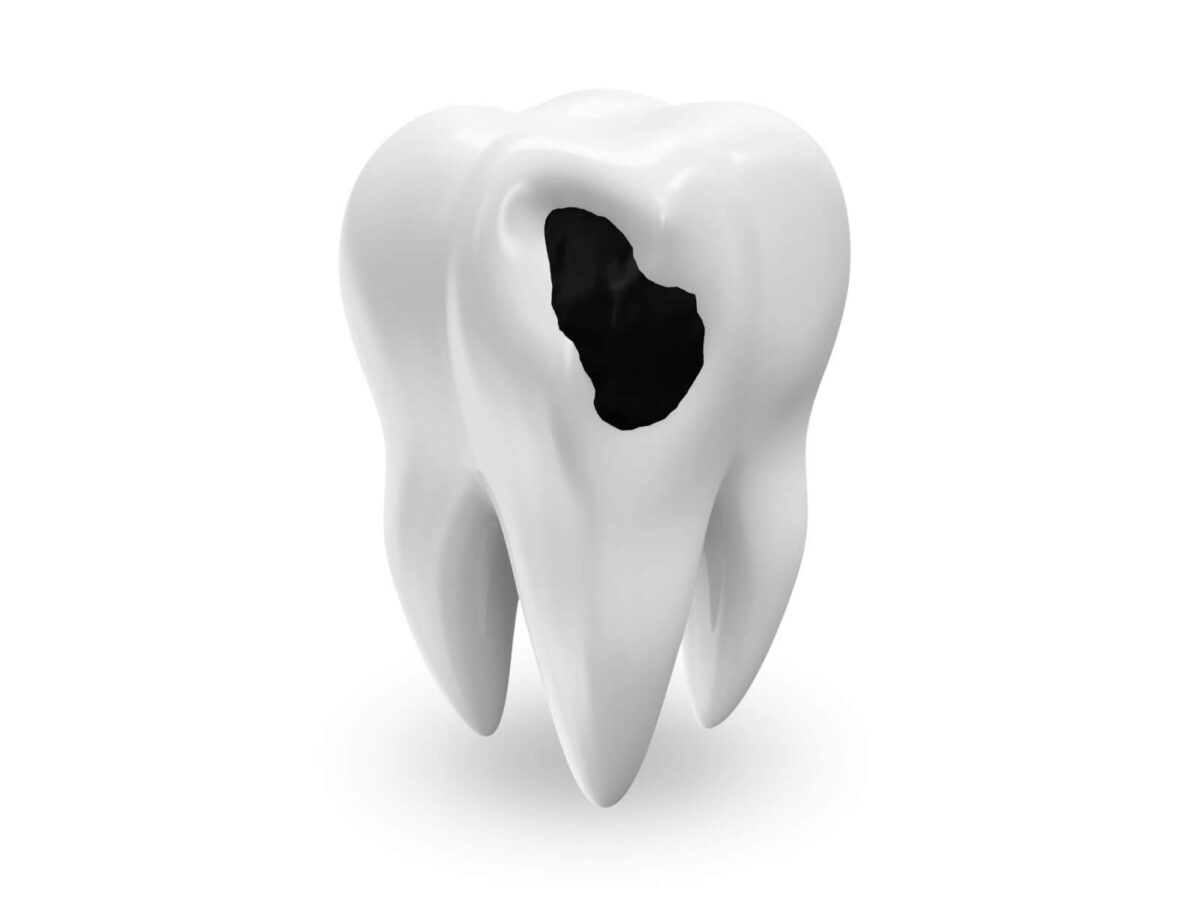
Black Dot on a Tooth: Common Causes and When It’s Something to Worry About
It usually shows up mid-brush or is caught in a photo. A small black dot turns up on a tooth, and the first word that comes to mind is cavity, though that’s not always fair to the tooth. Plenty of dark marks have nothing to do with decay at all.
Dark marks on teeth come from more places than most people assume. Some matter and some don’t, and sorting one from the other usually takes less detective work than it seems once a person knows what to look for on a black dot on a tooth.
What a Black Dot on a Tooth Usually Means
Decay tops the list, and for good reason. Cleveland Clinic’s overview of tooth discoloration is blunt about it: black spots on teeth typically indicate areas of severe decay, not a mild surface issue that clears up on its own.
There’s a second layer most people never think to ask about, though. Dentists split discoloration into two categories. Extrinsic sits on the outer enamel, usually from coffee, tea, or tobacco building up. Intrinsic starts underneath, in the dentin, which points to something happening inside the tooth.
A black dot on tooth surfaces could land in either bucket. Figuring out which one usually comes down to a handful of physical details rather than color alone, worth chasing down before assuming the worst or brushing it off entirely.
Is It a Cavity or Just a Stain
Run a finger over it first. That’s one of the fastest checks available without a dentist’s chair involved. A decayed spot rarely feels like the rest of the tooth. It catches slightly, sometimes softens under light pressure, and can sting a bit against something cold. A stain skips all of that. That’s the one part with no exact texture change at all, nothing a fingertip would catch.
Molars have deep grooves where food and plaque collect. Decay tends to start there first. The tight space between two neighboring teeth traps the same thing, out of a toothbrush’s reach. A flat, exposed surface on a front tooth tells a different story, more likely staining from whatever’s been passing through that spot daily, coffee especially.
Time is the tiebreaker when texture and location leave any doubt. A stain sits still for months, sometimes years, without changing shape. A black dot on tooth surfaces that spreads, slowly in some mouths, fast enough to notice within a single season in others, is behaving like a cavity rather than a stain.
Why Kids Get Black Dots Even With Good Brushing
This one throws parents off constantly, mostly because it seems to contradict everything they’ve been told about hygiene. A case report published on PMC documents the exact pattern – black dots or lines showing up along the base of the teeth near the gumline, tied to chromogenic bacteria rather than decay.
The mechanism is pigment, not damage. A separate PMC-published study on the same phenomenon found something that runs against the usual assumption entirely: children with this type of black staining showed lower rates of cavities than kids without it, suggesting the staining might even reflect a protective factor rather than a warning sign.
None of that makes the stain easy to remove, unfortunately. The same research notes it resists regular brushing and tends to return even after a professional cleaning, which frustrates parents expecting a quick fix, though it’s more of a cosmetic nuisance than anything worth losing sleep over.
Could It Mean the Nerve Has Died
Sometimes it can, and Cleveland Clinic notes gray discoloration in particular often points to a dead nerve, usually the result of trauma from years earlier.
A hard knock, a fall, or a stray elbow during a pickup game sometimes causes it years before the color ever shows up. Blood vessels inside the tooth break down gradually after that kind of impact, and the resulting color shift can take months to become visible, long enough that most people forget the original injury by the time the discoloration finally shows up.
This one’s worth taking seriously precisely because of what usually follows it. A dead nerve inside a black dot on a tooth or a gray-discolored tooth generally means a root canal, not a cleaning and not a whitening kit picked up at the pharmacy.
Does a Growing or Changing Spot Mean Something Worse
Growth is the detail that should move someone from “probably fine” to “worth calling about.” A dot that’s stayed the same size for a year or more is behaving exactly the way a harmless stain should. One that’s visibly bigger than it was a few months back is behaving the way active decay does, working its way steadily through enamel.
Sensitivity layered on top of that growth strengthens the case further. Pain while biting down, a jolt from cold water, discomfort that wasn’t there last month, none of that shows up with a simple stain. Together with a spot that’s clearly expanded, it points toward something progressing beneath the surface rather than sitting harmlessly on top of it.
Texture shifting is the change people usually notice last, even though it’s just as telling. A black dot on tooth surfaces that used to feel completely smooth and now catches on the edge of a fingernail or the tongue has likely crossed from surface staining into a structural change in the enamel underneath.
How a Dentist Tells the Difference
A look and a light usually get a dentist most of the way there. Texture under a dental probe, exact location, and how the surrounding enamel responds to touch are usually enough to sort a case within a minute or two of the exam starting, no imaging required.
Between teeth is where a visual check runs out of road. Decay can spread further underneath the surface than it appears from the outside, particularly in that tight gap a mirror and a light can’t fully reach. An X-ray closes that gap, showing what’s happening structurally rather than just what’s visible from the front.
Nerve involvement calls for one more step beyond that. A quick check with cold or gentle pressure shows whether the tooth is still responding the way a healthy one normally would, and that response, or lack of one, tends to be the deciding factor in whether a root canal makes sense for a black dot on a tooth before anyone commits to the procedure.
When to Call a Dentist
Any black dot that wasn’t there before is worth mentioning at the next visit, even a routine one that has nothing to do with the spot itself. Waiting for pain before bringing it up usually just gives whatever’s underneath extra time to spread further than it needed to.
A few signs move that timeline up considerably. Sensitivity to hot or cold, pain while chewing on that side, or a spot that’s clearly bigger than it was last time anyone checked are each reason enough to call rather than folding the concern into whatever appointment already happens to be on the calendar.
Marks that have sat unchanged for years, with no discomfort attached, sit lower on the urgency scale but still deserve a mention. Confirming something’s harmless takes a dentist all of a few seconds during a normal visit for a black dot on a tooth. Guessing from a bathroom mirror doesn’t carry the same certainty.
FAQ
Is a black dot on a tooth always a cavity?
Not always. Tartar buildup, an aging filling, old trauma, or a bacterial staining pattern in kids can all pass for decay at a glance.
Can these spots go away without a dentist visit?
A more consistent brushing routine or a whitening product might fade a surface stain. Decay won’t respond to either and needs actual treatment, which is exactly why guessing from a mirror is risky.
Why does my kid have a dark line along the gum that won’t brush off?
Probably not a cavity. That pattern usually points to a type of harmless bacterial staining common in children, one that some research has linked to lower cavity rates overall. Still worth having a dentist confirm it directly.
Should a black dot on a tooth be checked even without any pain?
Yes. Decay can progress for a while before pain ever enters the picture, so comfort alone isn’t a reliable sign that nothing’s happening underneath the surface.
Conclusion
A black dot on tooth enamel covers more ground than the word “cavity” alone suggests – stains, tartar, old dental work, past trauma, and in kids specifically, a harmless bacterial pattern that looks far worse than it is. Texture, growth, and sensitivity are the details that do most of the real work separating a serious spot from a cosmetic one.
Anyone noticing a new dark spot should get it checked, especially one that’s changed shape, size, or feel recently rather than staying put. A dental exam settles what’s actually behind it. No need to guess from a mirror or brace for the worst alone.

