
Blog
Dental hygiene tips for healthy teeth & gums
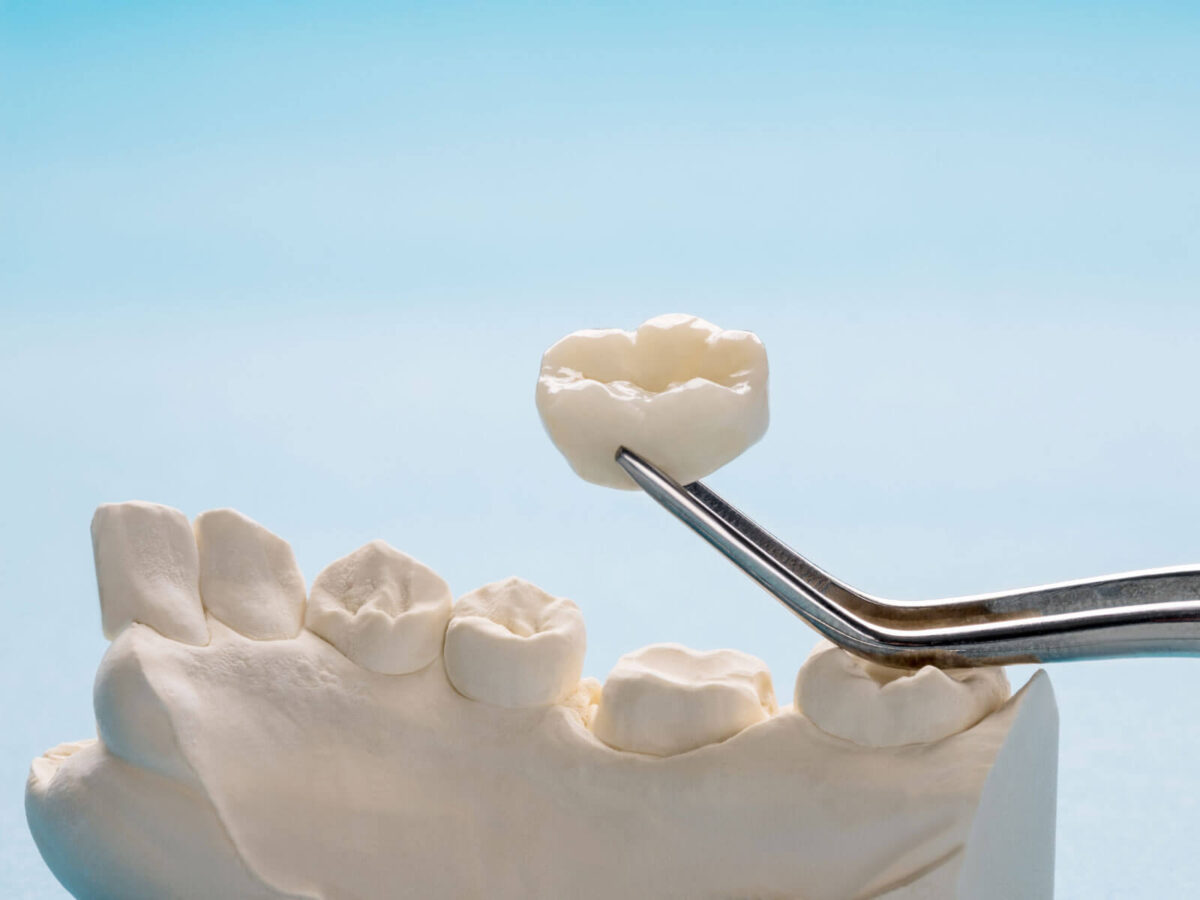
What Goes Into the Cost of a Dental Crown? A Transparent Breakdown
The quote is what gets people. I’ve seen the reaction firsthand. Nobody walks into that conversation expecting the number they get, and most dentists have probably stopped being surprised by it.
Dental crown cost typically falls between $1,000 – $3,500 per tooth, sometimes more.
The final number depends on more than most people expect, and most don’t find that out until they’re already committed to the procedure.
Why Does a Dental Crown Actually Cost That Much
Most people picture something simpler than what a crown actually is. It covers the entire tooth down to the gumline and has to fit precisely enough that nothing about biting or chewing feels off. I didn’t fully appreciate how much goes into that until I started looking into it.
Getting one placed means at least two appointments. Impressions or scans first, then a dental lab makes the actual piece, then a fitting. Sometimes the tooth needs work before any of that can even start. The cost of crown tooth work adds up across all of that, not just the material at the end.
How Much Does a Dental Crown Cost on Average
Someone I know budgeted based on the first number her dentist mentioned and ended up paying nearly double once everything was added up. The Cleveland Clinic puts the base dental crown cost somewhere between $800 – $1,500 per tooth. Gold crowns can push toward $2,500. Zirconia sits in a similar range. PFM tends to come in somewhere in the middle, around $1,100.
What that figure doesn’t include is everything else. X-rays, the exam, a temporary crown, and any prep work the tooth needs before the permanent one goes on. I’ve seen people budget for the crown and then get surprised by the full bill.
What Factors Affect the Price of a Dental Cap
Material
This is where most of the cost variation comes from. Ceramic and zirconia look the most natural and come with a price to match. PFM is a middle-ground option, though a faint gray line can appear at the gumline over time as the metal shows through. Gold costs more upfront but lasts longer, which is why a lot of dentists still recommend it for back molars where nobody’s looking.
Location of the tooth
Front teeth cost more. Getting a crown on a visible tooth to look completely natural takes more time and more precision. A back molar is more forgiving, and the fee usually reflects that.
Where you live
The same crown can cost nearly twice as much depending on where the practice is located. Same procedure, same material. The practice just happens to be in a more expensive area.
Who does the work
A prosthodontist charges more than a general dentist for the same crown. For something complex, that difference is usually worth it. For a routine crown on a straightforward tooth, most people don’t need a specialist.
Additional prep work
This is the part that catches people off guard most often. A tooth that needs a root canal, a post and core, or a buildup before the crown can go on adds anywhere from $150 to $2,000 or more to the total, depending on what’s needed.
Does Insurance Cover Dental Crown Cost
Most dental insurance treats crowns as major restorative work and covers around 50% after the deductible. That sounds like real help until you look at the annual maximum. Most plans cap benefits at $1,000 to $1,500, and if other work has already used part of that, what’s left for a dental crown can be surprisingly small.
Someone I know needed two crowns in the same year and found out her plan would only cover one of them fully because she’d already hit her annual maximum. Nobody mentioned that when she scheduled the appointments.
There’s also the waiting period. Many plans won’t cover major restorative work at all for the first six to twelve months. If the tooth can’t wait that long, the full cost comes out of pocket regardless of coverage.
What Is a Same-Day Crown, and Does It Cost Less
Same-day crowns skip the whole back-and-forth. One visit, done. No temporary sitting in your mouth while a lab takes two weeks to make the real one. I’ve spoken to people who chose this route purely for the convenience and were happy with the result.
Healthline puts the cost somewhere between $500 – $1,500, and insurance tends to treat it the same way as a traditional crown. The catch is that same-day crowns only come in ceramic. Anyone needing metal or PFM for a back molar won’t have this option. For front teeth or straightforward cases where the color match doesn’t need to be perfect, it’s worth asking your dentist about.
How Do You Reduce the Cost of a Crown Tooth Out of Pocket
Dental schools
Accredited dental schools do crown procedures at a fraction of the usual price. Students perform the work, but everything gets supervised by licensed faculty. It takes more appointments and more time, but I’ve come across people who went this route and had no complaints about the outcome.
Payment plans and financing
Most dental offices work with CareCredit or something similar. It doesn’t bring the total down, but it spreads it out, and a $1,500 bill feels different when it’s broken into monthly payments. Some offices have their own in-house plans, particularly for patients they already know.
HSA and FSA funds
Crowns qualify as a medical expense under most HSAs and FSAs. If those funds are sitting there, using them is worth it. The money went in pre-tax, so the effective cost comes down.
Getting a predetermination
Before committing to anything, ask the dentist to submit a predetermination request to the insurance company. The insurance company sends back exactly what they’ll cover in writing. Most people don’t know how to ask for this. They find out what’s covered when the bill arrives.
How Long Does a Crown Last
Cleveland Clinic notes that crowns typically last between 5 – 15 years, though plenty go longer. Gold and zirconia hold up better than PFM over time, which is something worth thinking about when the upfront dental crown cost feels high.
Someone I know went with the cheaper option to save money and ended up needing a replacement within eight years. The second crown cost more than the difference she’d saved on the first one.
FAQ
Is a dental crown always necessary?
Not always. Sometimes a filling handles it. Your dentist can tell you how much of the tooth is still usable — that conversation is worth having before anything gets scheduled.
Can I delay getting a crown?
Someone I know put it off for three months, and the tooth cracked. What would have been a straightforward crown turned into a root canal first. The delay costs more in every sense.
Does getting a crown hurt?
Not during. Local anesthesia handles that. Most people are surprised by how manageable it is, and some say the tooth felt better immediately after.
My crown just fell off. What do I do?
Keep it. Call the dentist the same day. It usually gets recemented rather than replaced, and most offices will fit you in quickly for it.
Conclusion
Dental crown cost is never just one thing. The material, the tooth, the prep work, the insurance situation. It all stacks up in ways most people don’t anticipate until they’re looking at the bill. I’ve spoken to people who felt completely blindsided and people who walked out knowing exactly what they’d pay. The difference was usually one conversation before treatment started.
Ask for an itemized estimate before anything begins. Ask what the insurance will actually cover, not what it might cover. The price of dental cap work is easier to manage when you know what you’re walking into.

